
When pests, like millipedes, start popping up in and around your home, there’s often a reason for their visit. Knowing why millipedes are invading your space will help you quickly and effectively control the situation. We’ve made a list of things that attract millipedes to help you prevent and eliminate an infestation.
What Are Millipedes?

Millipedes are dark brown or black arthropods. Their cylindrical body is made up of segments that each contain two pairs of legs. They grow between 1/16ʺ–4 ½ʺ. Millipedes prefer to live outside in cool, damp environments. They mostly feed on decaying plant matter. When conditions outside become too dry or too cold, they are known to migrate inside. You’ll likely spot them in basements or crawl spaces. These pests don’t sting or bite, making them more of a nuisance than a threat. When disturbed, they release a liquid with an unpleasant odor. This liquid can cause skin irritation. Large infestations can also cause damage to plants and gardens.
7 Things That Attract Millipedes
You may not realize it, but you could be inviting millipedes into your home or yard. Here are a few things that are likely to attract millipedes.
1. Moisture
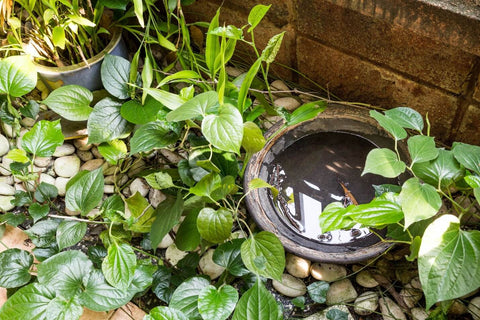
Millipedes need moisture to survive. If your yard, garden, or home has excess moisture, these pests are sure to visit. Things like mulch and tall grass can retain moisture, creating an ideal environment for millipedes to thrive. Water can also collect in gutters and flowerpots.
2. Overgrown Vegetation

When millipedes search for a place to live, they look for spots that offer shelter. Overgrown vegetation and tall grass can act as hiding spots for millipedes. They can also create shaded areas that will keep things cool and damp.
3. Trash

Your trash bins could be the perfect spot for millipedes to find their next meal. They prefer to eat decaying plant material. If they find rotting fruit or vegetables, they’ll be more than happy to settle down nearby.
4. Flowerbeds

Flowerbeds and gardens are the perfect spot for millipedes. They provide access to food, moisture, and shelter. Pay attention to moisture levels and pick up any fallen leaves or produce that could attract millipedes.
5. Yard Debris

Millipedes often find shelter under the things they like to eat. Yard debris, including grass clippings and piles of leaves, are great places to hide and eat. Millipedes also hang out near damp or rotting wood.
6. Clutter

Just like clutter outside can attract these arthropods, clutter in your home can do the same. Millipedes like to hide under whatever they can find. Paper and cardboard boxes can offer a dark place for millipedes to stay.
7. Light

Millipedes are nocturnal and therefore most active at night. They are attracted to light and can often be found gathering on patios or porches. Limiting the amount of time lights are left on can help to minimize their attraction to your home.
How to Get Rid of Millipedes
The key to keeping millipedes away is making your home as uninviting as possible. Here are a few tips to help you prevent and eliminate a millipede infestation.
1. Reduce Moisture

Eliminating moisture build-up is one of the most important aspects of millipede prevention and control. They can’t survive without water. Make sure you aren’t over-watering your plants. Ensure gutters are working properly. Repair or replace leaky pipes or faucets. Run your sprinklers in the morning so that your lawn will dry before millipedes become active. Using a fan or a dehumidifier can help reduce moisture build-up in your home.
2. Clean Up Your Yard

Millipedes won’t stick around if they can’t find food or shelter. Remove leaves and grass clippings. Regularly mow your lawn and keep your plants trimmed. Woodpiles should be kept off the ground and placed several feet from your house. You’ll also want to pick up any fallen leaves, fruit, or vegetables found in your yard or garden.
3. Remove Millipedes

If millipedes invade your home, you can physically remove them. One option is to use a broom to sweep them away. You can also use a vacuum to get rid of them. Place millipedes in a sealed bag and immediately dispose of the bag outside in a tightly sealed trash bin. While you can pick these pests up with your hand, you’ll want to be careful because the liquid they release can irritate your skin.
4. Use an Insecticide

Using a plant-based insecticide dust can also help to prevent and eliminate a millipede infestation. Our Spider & Insect Dust kills and repels millipedes and other crawling insects. You can apply the dust in areas where you have seen millipedes, including in garages, laundry rooms, basements, under sinks, and in cracks and crevices near their activity.
To keep millipedes out of your garden, you can spot treat them with an insecticide spray. Our Vegetable Garden Insect & Disease Control spray and our Beetle & Boxelder Bug Killer are both labeled to control millipedes.
Millipedes won’t stick around if the environment doesn’t suit their needs. Taking the time to pest-proof your home and yard is the best way to avoid an infestation. If pests are bugging you, we want to help! Check out our Maggie’s Farm Simply Effective™ Pest Control products for a more environmentally and family-friendly solution when used as directed.